Xi Jinping's US Visit Planned Amid Economic Tensions with Trump


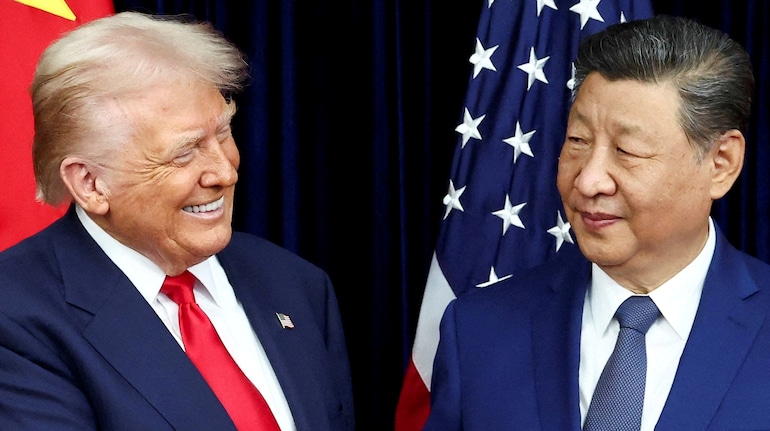
Chinese President Xi Jinping is set to visit the United States from September 23 to 25 to engage in discussions centring on significant economic and trade challenges. This visit comes at the invitation of United States President Donald Trump, as announced by a spokesperson from China's Foreign Ministry on Monday.
Scheduled to arrive in Washington on September 23, President Xi will participate in summit meetings aimed at addressing pressing matters. Preliminary talks between high-ranking officials from both nations have already taken place, focusing on economic relations, including issues related to artificial intelligence.
These discussions were described by China's state-run Xinhua news agency as 'candid, in-depth and constructive'. Key figures involved included Chinese Vice Premier He Lifeng, US Treasury Secretary Scott Bessent, and US Trade Representative Jamieson Greer.
The parties exchanged views on common economic and trade concerns, emphasising mutual respect and cooperation. While detailed discussions on artificial intelligence were conducted, specifics have not been disclosed. The upcoming state visit occurs in a context where President Trump has recently signed a law that imposes sanctions on countries purchasing Russian oil and gas, directly affecting nations like China and India.
In anticipation of Xi's arrival, President Trump plans to give him a rare reception at Joint Base Andrews, where he will greet Xi on the tarmac. This gesture signifies the importance both leaders place on their diplomatic relationship. The two last met in Beijing in May, where they set the groundwork for improving ties between their countries.
The significance of the forthcoming meetings has heightened following Trump's recent unveiling of an 'AI Force,' indicative of the increasing competitiveness in technology sectors between the United States and China. On social media, Trump referred to attempts to undermine artificial intelligence as a fabrication purported by the opposition party.
In addition to various sanctions legislation, including the Lindsey O Graham Sanctioning Russia and Iran Act of 2026 which expands restrictions, China has continuously pushed back against US tariffs regarding its energy imports from Russia. A Chinese official has articulated that economic cooperation should remain unaffected by external pressures, stressing that such actions lack a basis in international law.
Despite the looming tariff threats, negotiations between Washington and Beijing continue regarding a framework for reciprocal tariff reductions, potentially involving products valued at $30 billion from both sides. A spokesperson for China's commerce ministry indicated that both parties aim to finalise this arrangement swiftly.
Furthermore, Chinese Foreign Minister Wang Yi and US Secretary of State Marco Rubio engaged in a telephone conversation on September 17, discussing high-level exchanges between their respective governments, which may set the stage for the upcoming summit discussions.
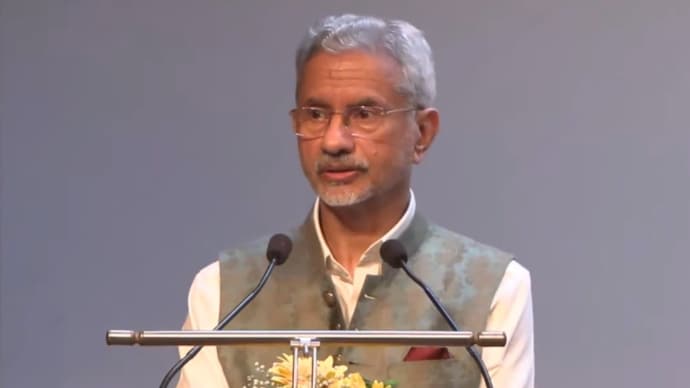
India's External Affairs Minister to Address UNGA Amid US Tariff Changes
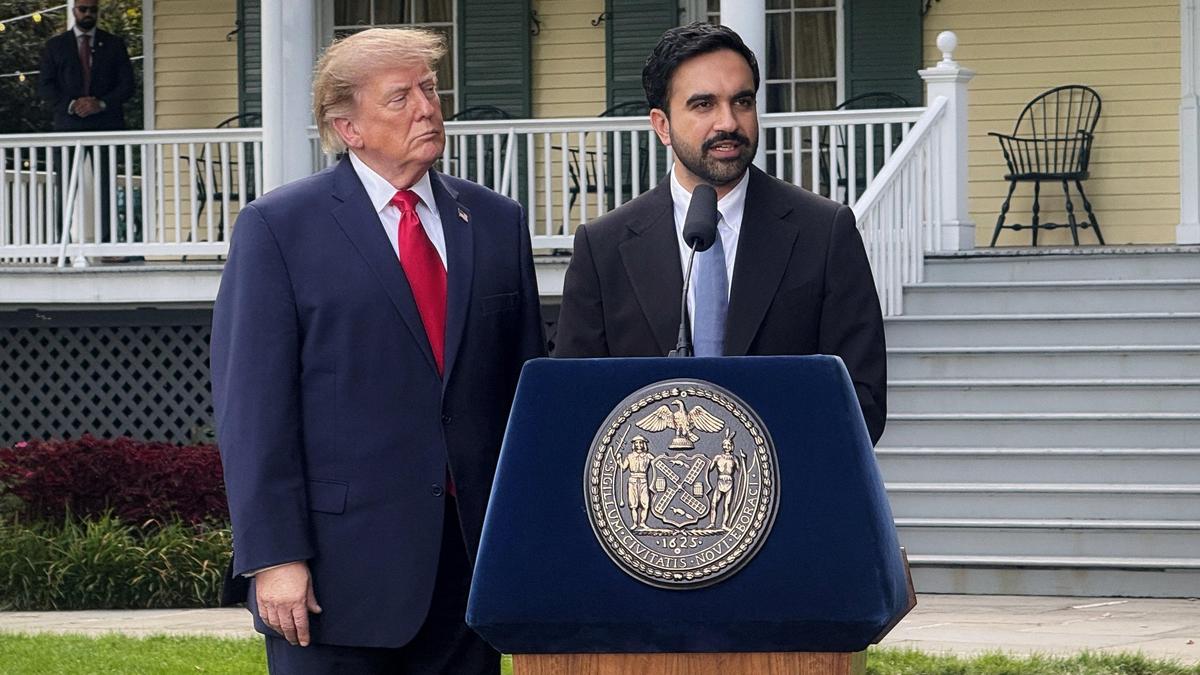
Trump Meets New York’s Democratic Socialist Mayor Zohran Mamdani
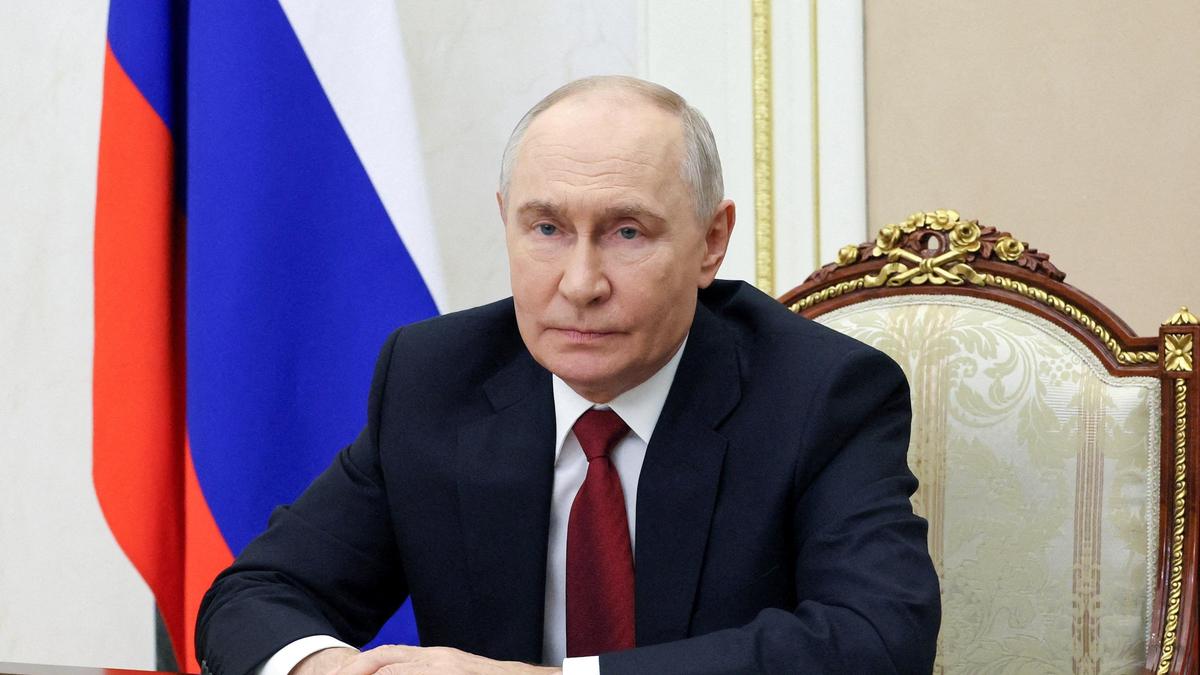
United Russia Party Secures Supermajority Despite Ukraine Conflict
Houthis Target Strategic Areas in Yemen Amid US Airstrike Cancellation