US Introduces New Sanctions Against Iran Amid Rising Tensions


US Treasury Secretary Scott Bessent announced on Sunday that a press conference will be held on Monday to unveil new sanctions against Iran, described as the most stringent measures to date. This announcement follows President Donald Trump’s threat of an 'economic D-Day', aimed at applying pressure on Tehran to change its policies in the Middle East.
Bessent stated that the United States aims to economically isolate Iran along with its trading partners. 'At dawn begins an economic D-Day — the single greatest financial offensive ever marshaled against an adversary,' he said in a post on X (formerly Twitter).
In response, Iranian state media dismissed the threats, claiming that sanctions highlight the adversary's failures. Iran's officials warned that they are prepared to take severe actions, including the potential complete cessation of oil exports from the Persian Gulf if economic hostilities continue.
Mohsen Rezaei, secretary of Iran’s Supreme National Security Council, emphasised that every country supporting the US's economic strategies could be regarded as participating in an act of war. He stated, 'If the economic war continues, not a single drop of oil will be exported, neither through the Strait of Hormuz nor from anywhere in the Persian Gulf.'
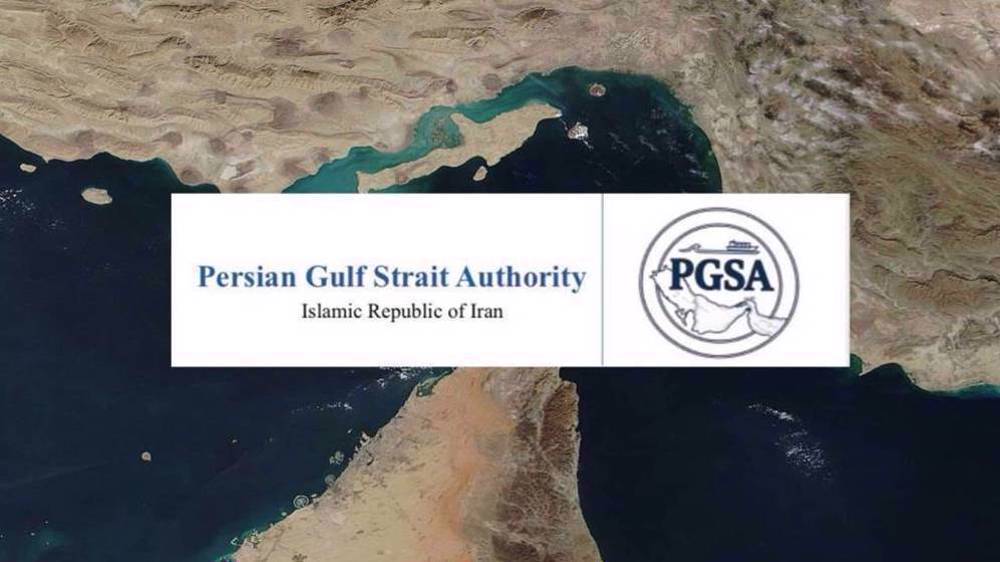
The Strait of Hormuz, a vital waterway for global oil shipments, has seen heightened tensions recently. The Iranian Ports and Maritime Organization (PGSA) warned that vessels breaching its protocols may face various penalties, including detention and confiscation. They also mentioned potential restrictions for vessels cooperating with those already marked as non-compliant.
As of August 23, US Central Command (CENTCOM) reported that it had redirected 70 commercial vessels to enforce compliance with the naval blockade against Iran. This included actions to disable and board vessels suspected of violating the regulations.
Compounding these tensions, reports indicate that oil shipping through the Strait has dramatically declined, with fewer than 20 vessels transiting the strait over the weekend. This decline is attributed to both the increased militarisation in the region and the ongoing economic pressures driven by US sanctions.
China, while calling for a diplomatic resolution to the ongoing conflict, remains committed to maintaining trade relations with Iran despite US pressures. China's Vice Foreign Minister Miao Deyu reiterated their support for peace talks during discussions with Iranian officials.
As global markets brace for the impact of these new sanctions, oil prices dropped in response to the uncertainty. Analysts are watching closely as the situation develops, owing to its significant implications not just for regional stability but also for the global energy market.

Two MLAs Among Injured After Car Crash in Central Delhi

India Targets Global Leadership in Space Sector by 2035
Gautam Adani's Meeting with Karnataka CM Raises Political Concerns
Fatal Landslide at Conakry Landfill Leaves Multiple Casualties