Syrian Foreign Minister Calls for Renewed Diplomacy with Israel


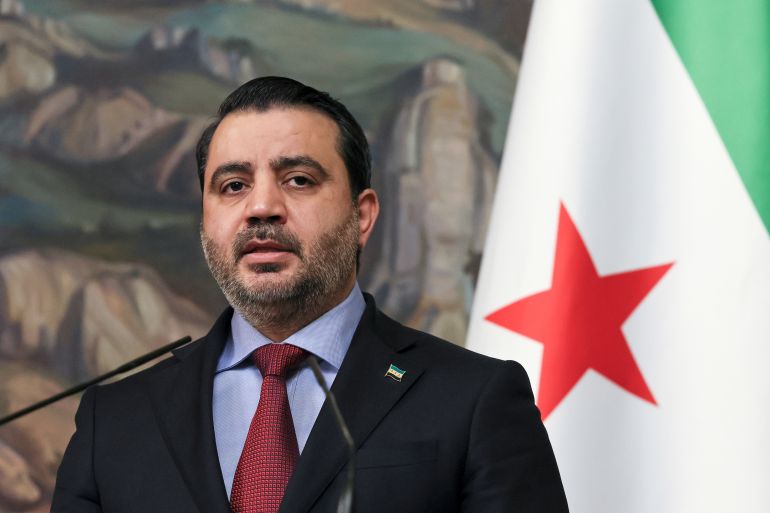
Syria's Foreign Minister Asaad al-Shaibani has stated that the opportunity for diplomacy with Israel is open, urging the Israeli government to seize this 'historic opportunity.' In an interview with Reuters published on Sunday, al-Shaibani expressed hope for the resumption of discussions concerning a security agreement, which aims to facilitate Israel's withdrawal from Syrian territory. He noted that talks had been stalled since the onset of the US-Israel conflict regarding Iran. Although no specific date for the resumption of negotiations has been established, al-Shaibani is optimistic about their imminent restart.
The Syrian minister emphasised that halting Israeli military actions is a priority for Damascus, suggesting that confidence-building measures are essential for progress. The United States has been attempting to mediate a security deal between Israel and the administration of Syrian President Ahmed al-Sharaa for over a year, though an agreement has yet to materialise. Israel has maintained military activities in Syria, citing security threats.
Al-Shaibani remarked, 'We believe there should be contact, especially with a party that constantly threatens the security of Syria. But if this contact doesn’t bring results, then we don’t need it.' He highlighted the ongoing mistrust towards Israel, asserting, 'We do not trust Israel currently.'
Israeli Prime Minister's office did not respond to requests for comment. Al-Sharaa has argued that Syria does not pose a threat to other nations, focussing instead on reconstruction following a protracted civil war lasting 14 years. Last year, Israeli officials raised concerns about various potential threats emanating from Syria, even while al-Sharaa sought to strengthen relations with the United States.
After the ousting of President Bashar al-Assad in 2024, Israel intervened militarily in southern Syria, claiming that actions were necessary to protect its citizens. Al-Shaibani remarked, 'Israel has tried to maintain its security through brute force, and it hasn’t succeeded anywhere.' He conveyed his belief that negotiations would soon recommence, pointing to US pressure on Israel to return to the negotiating table.
When asked about his optimism for the resumption of talks, al-Shaibani acknowledged the challenges, stating, 'It’s very hard to bet on Israel.' However, he expressed hope for establishing stable relationships with neighbouring states. 'Syria is extending its hand for understandings, for peace, for diplomacy,' he stated, indicating a commitment to regional stability.
Recent tensions escalated when Israel launched airstrikes on the Abu al-Duhur airbase, claiming that Damascus was on the verge of permitting Turkish military deployment there, a statement denied by both Syria and Turkey. While al-Shaibani acknowledged Israel's security concerns, he insisted that such concerns should be balanced with Syria's need for sovereignty and safety, calling for respect for Syrian airspace.
Earlier this year, a draft agreement between the two nations concerning a security deal was described as satisfactory on paper, but al-Shaibani expressed frustration over Israel's reluctance to implement the agreement, suggesting a lack of genuine willingness on Israel’s part to reach a consensus.
Syria and Israel have been technically at war since 1948, following Israel's capture of the Golan Heights during the Six-Day War in 1967. Al-Shaibani reiterated the immediate focus on halting Israeli hostilities, stating that this must precede any discussions about broader topics, including peace and the Golan Heights. Israeli officials appear unwilling to return control of the Golan Heights to the al-Sharaa government. US Special Envoy for Syria, Tom Barrack, noted recently that Washington is working to establish a framework to prevent conflict among Israel, Turkey, and Syria. Al-Shaibani pointed out that no agreement had yet been formalised regarding this mechanism, which he argued should aim to cease attacks and facilitate a future security deal instead of consolidating Israel's ongoing occupation.
Al-Shaibani reiterated that Israel had targeted the Abu al-Duhur airbase, even after assurances were given that it would not serve as a Turkish military site. He mentioned that Syria cooperates with Turkey in military training and that support is also obtained from Jordan and Saudi Arabia. 'Damascus appreciates Turkish assistance in rebuilding its military, and we will not forego this support,' he concluded.

Two MLAs Among Injured After Car Crash in Central Delhi

India Targets Global Leadership in Space Sector by 2035
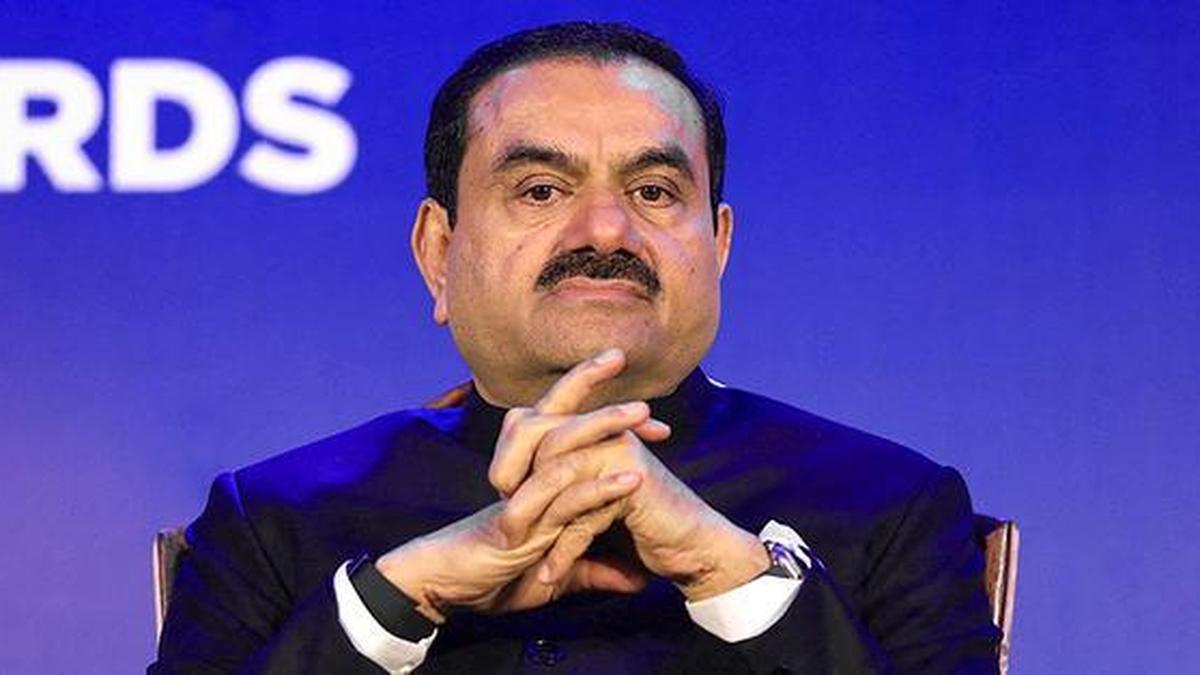
Gautam Adani's Meeting with Karnataka CM Raises Political Concerns
Fatal Landslide at Conakry Landfill Leaves Multiple Casualties