Innovations in Cancer Care from Indian Research Institutes


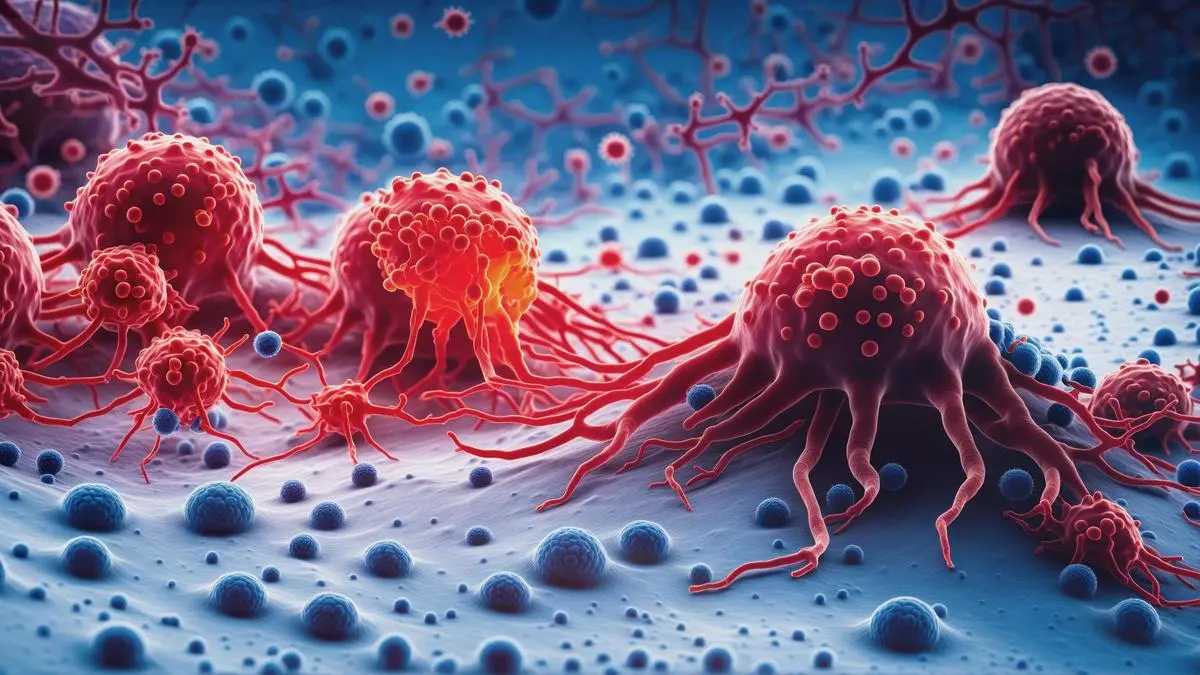
Researchers in India are making significant advancements in cancer care through the development of artificial intelligence (AI) frameworks and targeted drug therapies. The studies, conducted under the Department of Science and Technology, focus on enhancing the detection of cancer stem-like cells and minimizing the harmful effects of chemotherapy.
Cancer cells are adept at evading treatment and can adapt to their environment, leading to challenges in effective management. The first study, spearheaded by Dr Shubhasis Haldar from the SN Bose National Centre for Basic Sciences in collaboration with Ashoka University, introduces an AI-driven tool known as the AI-based Cancer Stem-like Cell Profiler and Neoplasm Deconvoluter (ACSCeND). This framework is designed to identify rare cancer stem-like cells (CSCs), which are known to be responsible for tumour recurrence.
Despite the effectiveness of traditional treatments, chemotherapy often leaves behind these elusive CSCs, which can lead to the return of cancer and consequently spread to other parts of the body. As noted in a publication in NAR Cancer, these stem-like cells are defined by their ability to self-renew and differentiate into various tumour types; they represent the top tier of cellular hierarchies in many cancers.
ACSCeND employs a combination of high-resolution single-cell sequencing data and deep learning algorithms to analyse conventional bulk RNA sequencing data. This innovative approach allows for easier profiling of stem-like cell populations that might otherwise remain undetected. The researchers validated the framework across several datasets and found that it performed consistently better than existing methods.
Following this, ACSCeND was applied to over 25,000 tumour samples from international cancer databases, revealing that tumours populated by highly potent pluripotent-like cancer stem cells correlate with worse patient outcomes, increased chances of recurrence, and a limited response to current immunotherapies. The framework further identified specific molecular pathways that enable these cells to survive and evade the immune response.
In a separate but related study, researchers led by Dr Asis Bala at the Indian Institute of Science Education and Research in Guwahati and Dr KP Bhabak from the Indian Institute of Technology in Guwahati synthesised a small molecule, RK-251. This compound is uniquely designed to remain inactive until it enters a malignant cell, thus reducing collateral damage to healthy tissues. Published in the ACS Journal of Medicinal Chemistry, this work addresses the widespread issue of drug toxicity associated with standard chemotherapy.
RK-251 functions by exploiting the metabolic distinctions between malignant and non-malignant cells. Cancer cells typically exhibit elevated levels of reactive oxygen species (ROS), a type of unstable metabolic by-product. Upon entering a cancer cell, RK-251 reacts with ROS, facilitating the release of a targeted anti-cancer compound known as NBDHEX, which disrupts specific proteins that cancer cells rely on for growth and resilience.
In laboratory tests, RK-251 proved effective against triple-negative breast cancer cells while exhibiting minimal toxicity toward healthy cells. Tests on zebrafish embryos showed no observable adverse reactions, indicating the drug’s potential for safe application in human therapy.
Dr Sivasubramaniam K, a medical oncologist at the Prashanth Group of Hospitals, spoke about the implications of these advancements, stating, "The two major challenges for modern medicine are relapse or recurrence of cancer cells post-treatment, and the side effects of chemotherapy that destroy normal cells along with cancer cells. AI has the potential to overcome these two challenges. Identifying cancer stem-like cells using AI could predict early relapses. Targeted drugs that become active only in cancer cells will make a significant difference for patients."
The ongoing research from these Indian institutions not only represents technological progress but also offers hope for improved cancer treatments that minimise side effects and recurrence risks, which could change the landscape of cancer care significantly.

Two MLAs Among Injured After Car Crash in Central Delhi
India Targets Global Leadership in Space Sector by 2035
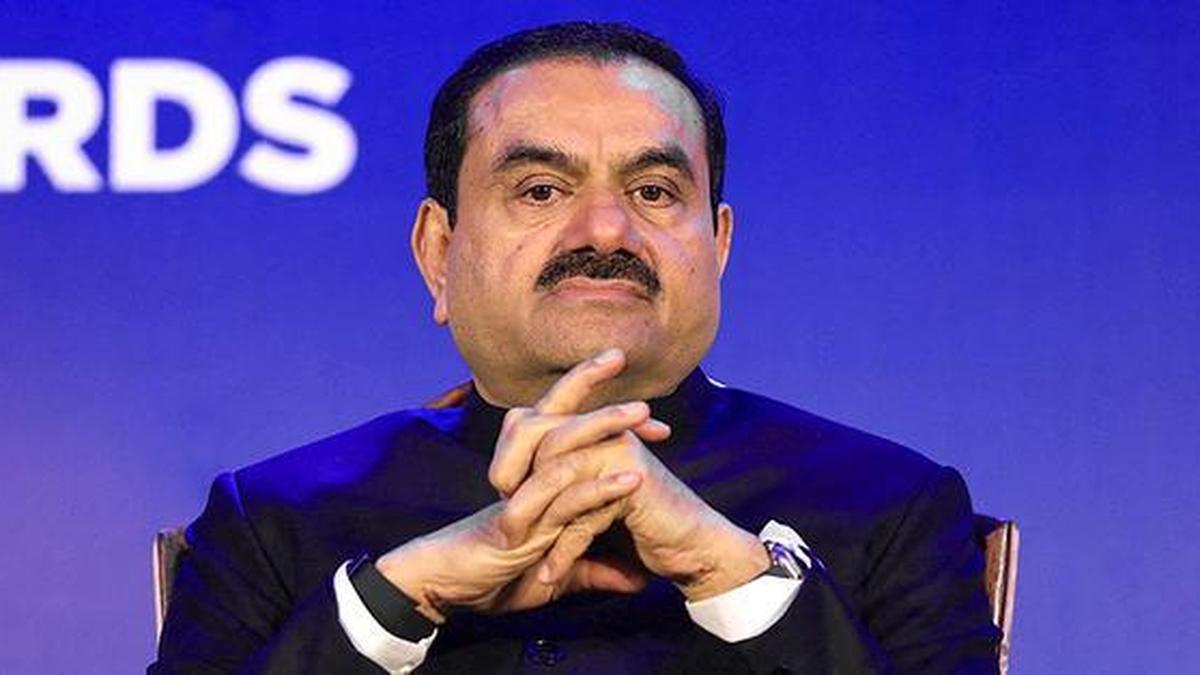
Gautam Adani's Meeting with Karnataka CM Raises Political Concerns
Fatal Landslide at Conakry Landfill Leaves Multiple Casualties