US-Iran Tensions Escalate: Commercial Shipping in Crisis


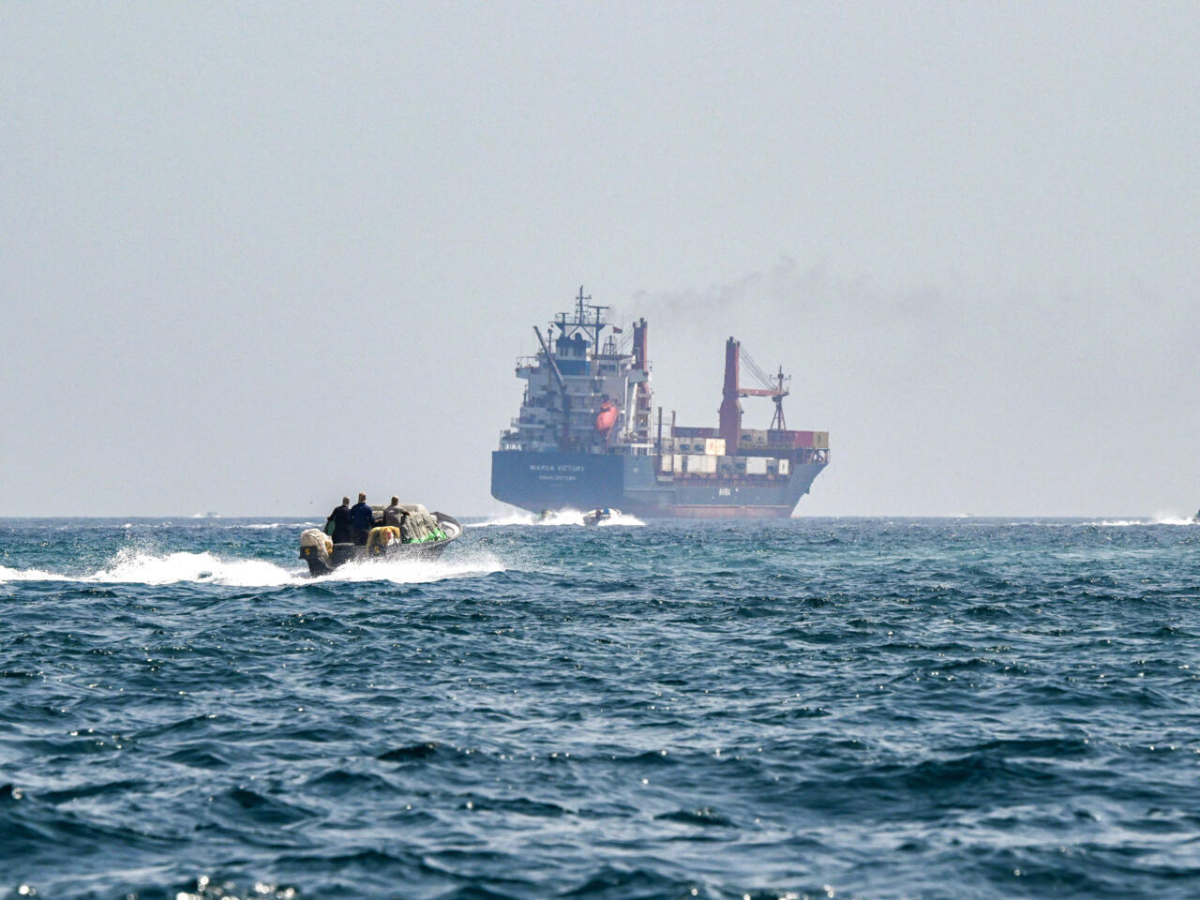
Tensions in the Strait of Hormuz have intensified as the United States escalates its military presence, redirecting 70 commercial vessels as part of its enforcement of a blockade against Iran. The ongoing conflict between the US and Iran has shifted from direct military engagement to a broader struggle over commercial shipping, energy supplies, and maritime access.
As reported by United States Central Command (CENTCOM), the US has redirected commercial ships to enforce restrictions at Iranian ports. This figure marks an increase from 68 vessels previously reported, underscoring the rapid expansion of military operations in the region. The US Navy, including over 20 warships such as the USS John Finn and USS Ross, is actively engaged in this operation.
The renewed blockade was initiated in mid-July in response to escalating tensions, with US naval forces now routinely boarding vessels to check compliance, disabling those that refuse to adhere to orders. The increased naval presence has raised concerns among commercial operators, as movements through the region become increasingly perilous due to potential redirection and inspection by US forces.
Simultaneously, former President Donald Trump has stoked tensions further by claiming the Strait of Hormuz as "NEW US Territory" in a recent post on social media platform Truth Social. This provocative statement adds to the already volatile dynamics surrounding the crucial waterway, through which approximately one-fifth of global oil and liquefied natural gas exports are transported.
In addition to the logistical challenges caused by the US blockade, shipping activity has plummeted in the Strait. Recent data indicates that only nine commercial vessels passed through the area on Tuesday and Wednesday, highlighting the fears of shipping companies and the uncertainty they face amid increased military presence and potential redirections.
To complicate matters, the Iranian government has indicated its intent to assert greater control over the Strait of Hormuz. Recent proposals suggest that vessels from approved countries will now be required to pay Iran for various services throughout their transit. This assertion of authority further highlights the ongoing tug-of-war between Washington and Tehran over control of this strategically vital maritime corridor.
As global energy markets feel the implications of this struggle, oil traders are closely monitoring the situation. Any further disruptions in shipping could lead to increasing crude oil prices, heightening fears among economies that rely on consistent energy supplies. The Strait of Hormuz stands as a critical point of intersection in this broader conflict between the US and Iran, with the current military actions potentially setting the stage for a more significant confrontation.
The ongoing rivalry remains a source of global concern as both nations continue to assert their claims in the region, leading to an unstable environment for commercial shipping. With the US naval blockade being actively enforced, and Iran responding to these challenges with its strategies, the Strait of Hormuz has become a focal point for geopolitical tensions that could have widespread implications for international trade and energy security.

Fire at Amravati Hospital Claims Lives of Three Newborns

Enforcement Directorate Raids Karnataka IAS Officer in KPSC Case

Ex-Diplomat Navdeep Suri Raises Concerns Over Citizenship Issues

Surge in Onion Prices Prompts Indian Government to Launch Kanda Express