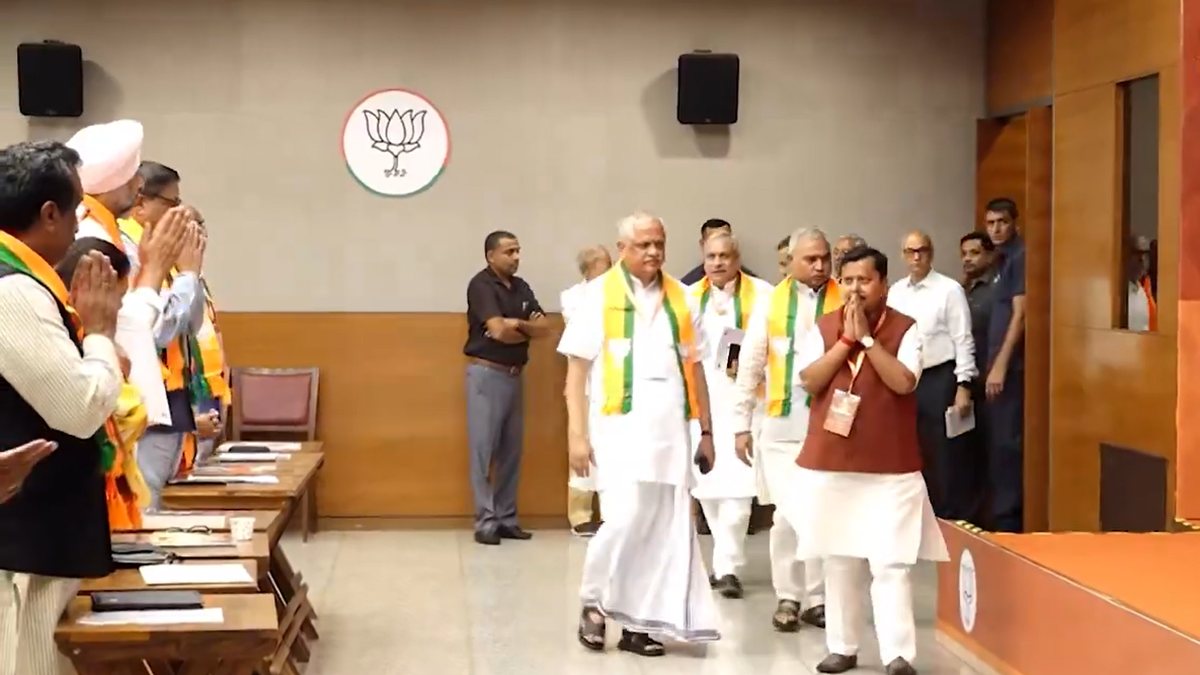
US Envoy Reveals India's Request for No-Question Media Interaction with Trump


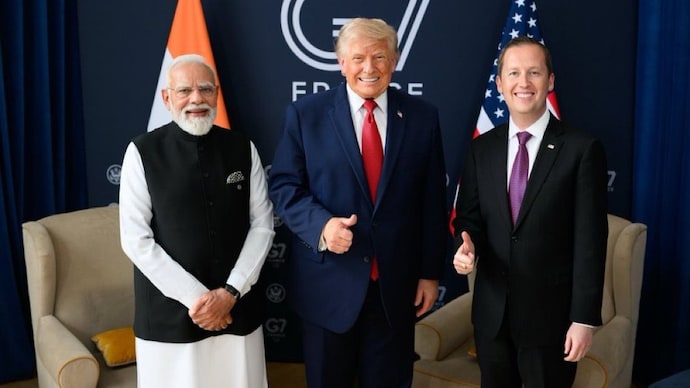
In a recent discussion, Sergio Gor, the United States Ambassador to India, revealed that India had requested during Prime Minister Narendra Modi's meeting with President Donald Trump that no questions be posed by the media. This meeting occurred on June 17 in Évian-les-Bains, France, as part of the G7 summit. Gor recounted this interaction during the Economic Times World Leaders Forum, emphasising that while the Indian Ministry of External Affairs (MEA) had indicated it preferred a media statement without a full press conference, Trump ultimately invited questions from journalists, resulting in a 45-minute open press interaction.
Gor explained that before the meeting, Trump had asked what specific requests India had. According to Gor, the MEA's singular request was to allow the media in but not to permit any questions. Gor related, 'I told the President, I said, the Indians prefer no questions. He said, sure, no problem.' However, following a brief address by each leader, Trump addressed the press directly, challenging the premise of the initial request by asking for questions. This led to a free-flowing discussion which Gor noted consequently 'opened everything up'.
The US envoy’s revelations are particularly significant given the ongoing discourse around Modi’s reluctance to conduct press conferences during international visits. This has raised eyebrows, especially among foreign media representatives. During a recent trip to Europe, journalists raised similar concerns about Modi’s an avoidance of press questions and its implications for democracy and media freedom.
Gor’s comments come at a time when Modi’s approach to media interactions has faced scrutiny, especially following incidents in Oslo and New Zealand where journalists questioned his avoidance of press engagement.
In direct exchanges with the press during these visits, Indian officials suggested that the Prime Minister preferred direct communication with voters in rural areas over mediated forms of engagement. Responding to Gor's statements, the MEA has not yet made an official comment regarding the request made to avoid press questions at the Modi-Trump meeting.
National discussions are ongoing about the implications of media freedom in India, particularly in light of international comparisons made by journalists from countries with higher press freedom rankings. Modi's administration has often defended its stance on media interactions, citing cultural and political reasons for their approach.
At the G7 meeting, key topics discussed included the safety of Indian seafarers amidst regional tensions and bilateral trade relations, with Trump reassuring Modi of US support in the event of an attack on India. Despite these discussions, the preference for limited press interactions has continued to be a point of criticism in the international arena, echoing concerns about transparency and engagement in global diplomacy.
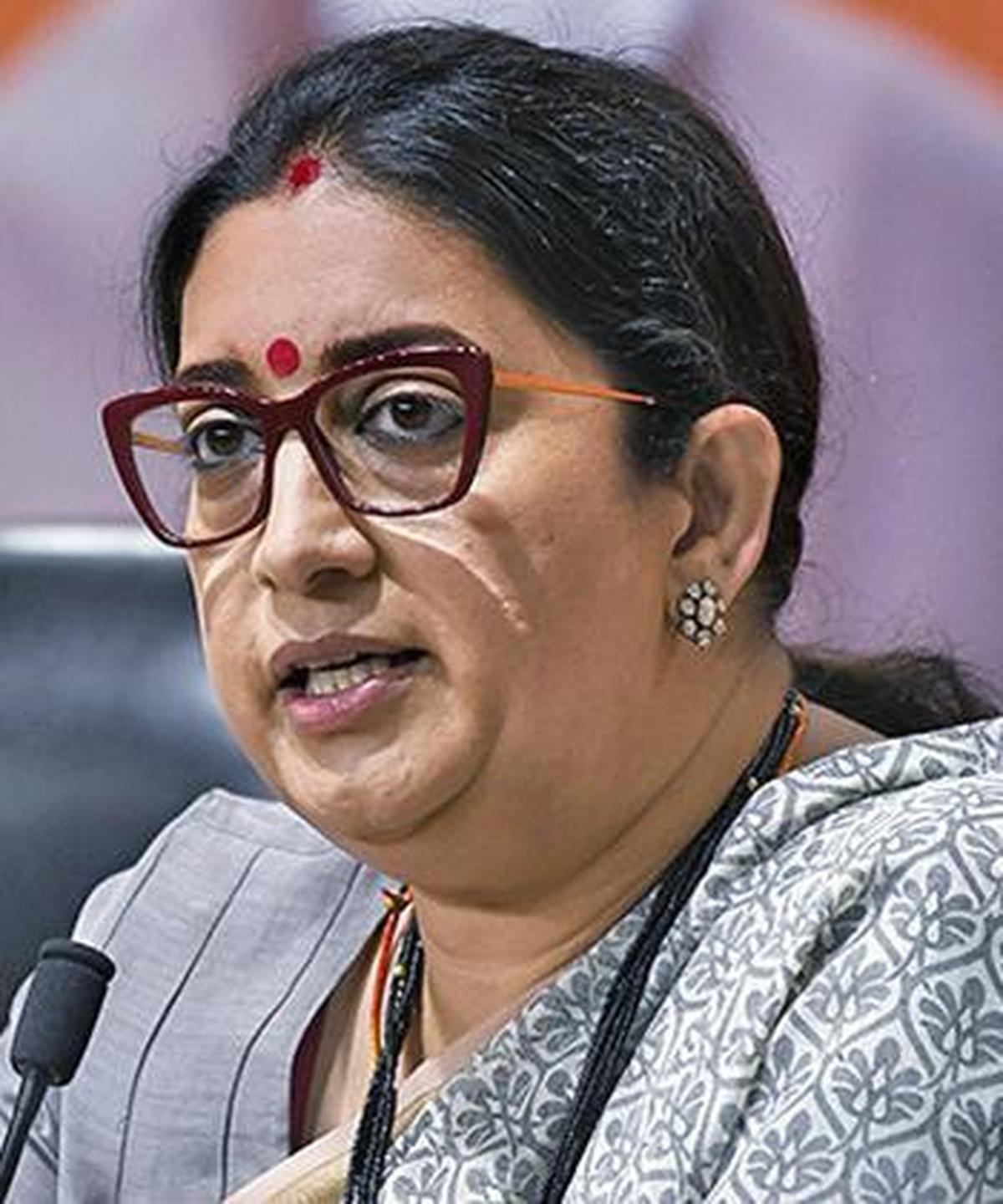
Smriti Irani Calls on Rahul Gandhi to Support Women's Quota

French Badminton Achieves Historic Double Gold at World Championships
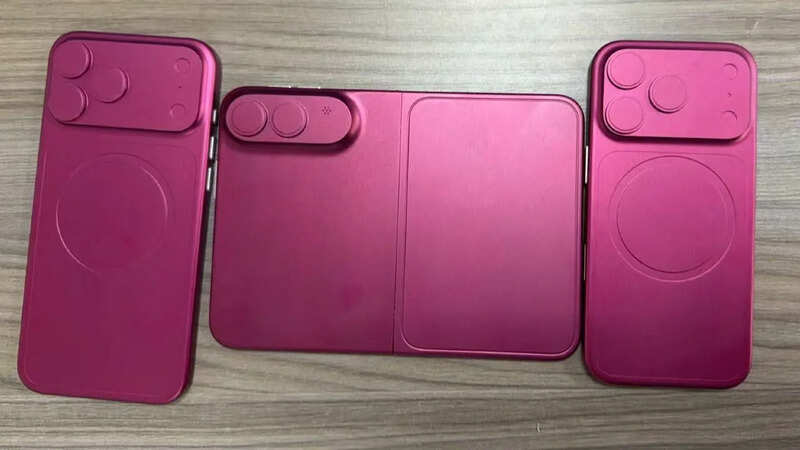
Apple's Foldable iPhone to Use Touch ID Instead of Face ID
Cargo Ship Sinks in Bay of Bengal with 24 Crew Members Aboard