US Proposes Ending 60-Day Grace Period for Foreign Workers


The United States Department of Homeland Security (DHS) has proposed a significant change to immigration policy that could affect many foreign workers, particularly those holding H-1B visas. The proposed rule seeks to eliminate the 60-day grace period that currently allows certain foreign employees to remain in the country and seek new employment after losing their jobs.
This grace period, established in 2017, provides temporary workers time to find a new employer willing to sponsor them or to make arrangements for their departure, including practical considerations such as housing and schooling for children. Under the new proposal, individuals on H-1B and some other temporary work visas would be required to leave the United States immediately upon employment termination.
The potential consequences of this change could be particularly pronounced for skilled professionals from India, who represent a substantial number of H-1B visa holders. Major Indian technology firms, including Tata Consultancy Services, Infosys, HCLTech, and LTIMindtree, are among the significant sponsors of these visas. The US technology industry relies heavily on foreign talent, particularly from India and China.
Legal experts have expressed concern over the proposal, noting that it would significantly shorten the time available for foreign workers to secure new employment following a layoff. According to lawyers at Berardi Immigration Law, the proposal could lead to increased pressure on human resources teams to manage layoffs and offboarding processes.
The adjustment is part of a broader trend by the Trump administration to tighten regulations surrounding legal immigration since returning to the White House in January 2025. Recent actions have included the introduction of higher visa fees for skilled workers and the temporary suspension of immigrant visa appointments across US missions globally.
In its justification for the proposed rule, the DHS indicated that it could help in prioritising job opportunities for American workers. Employers would be required to offer open positions to equally qualified US workers before using the I-129 petition process, which allows them to retain foreign employees.
The proposed regulation is not limited to H-1B visa holders and would also encompass E-1 and E-2 visa holders, L-1 executives, and O-1 holders with extraordinary abilities in various fields. Furthermore, H-1B1 skilled workers from Singapore and Chile and E-3 specialty workers from Australia would also be subject to these changes.
The proposal is currently open for public comment for a period of two months, allowing stakeholders to share their views before the administration can proceed with implementation.
Concerns Rise Over Delhi Voter Registration Discrepancies
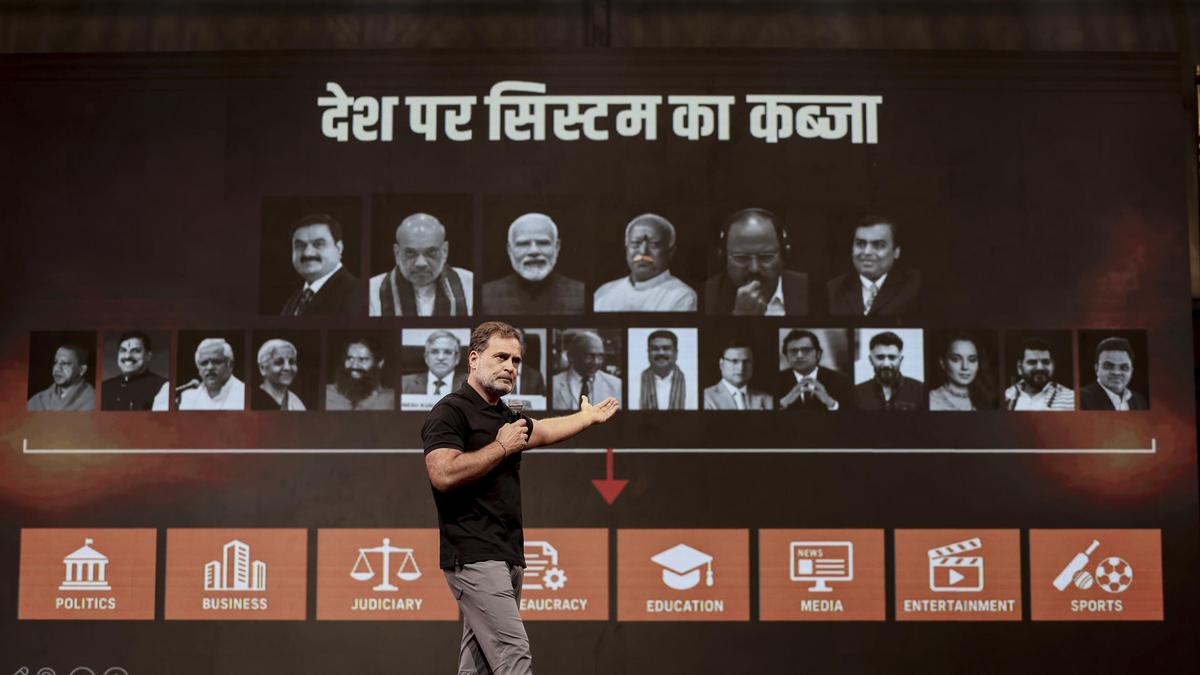
Controversy Erupts Over Rahul Gandhi's PM Modi Mimicry at Event

Father of IIT Bombay Student Calls for Action Against Discrimination

India and Japan Conduct Joint Air Exercise 'Veer Guardian-2026'