Impact of Trump's Tariff Law on India's Oil Imports and Trade


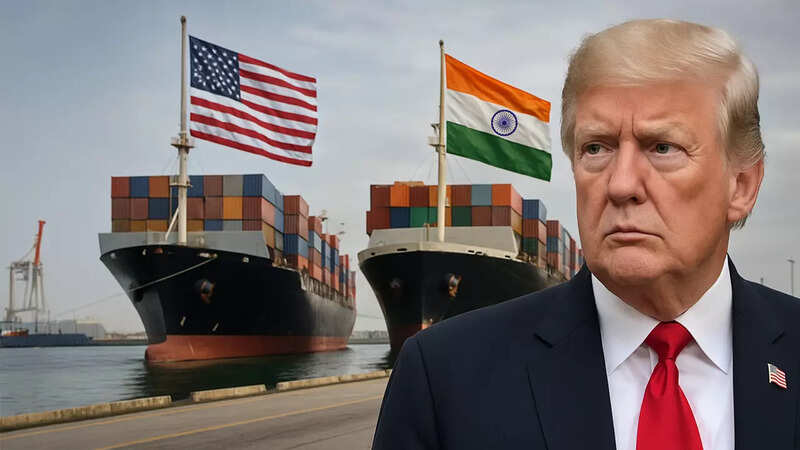
United States President Donald Trump has enacted the Lindsey O Graham Sanctioning Russia and Iran Act of 2026, which grants him the authority to levy tariffs of up to 100 percent on nations importing energy from Russia. This legislation, which was passed by the House of Representatives on September 16 and signed into law on a subsequent date, directly targets states that procure oil and gas from Russia, highlighting implications particularly for India and China.
Named after the late Republican Senator Lindsey Graham, a vocal critic of Russia, the law aims to intensify sanctions against Russian energy and defence sectors, including measures against vessels that circumvent existing sanctions. Moreover, it extends the Iran Sanctions Act of 1996 until 2031.
According to the United States Trade Representative, the legislation signifies a bipartisan agreement on the effectiveness of such tariffs in reinforcing economic and national security while fostering peace. Following the new law, Trump is empowered to increase import duties on products from countries that qualify under the Russian energy provisions.
The law specifically targets nations buying Russian-origin crude oil or natural gas 30 days following its enactment, ensuring it affects the five largest importers by volume, which includes India. The stipulation categorizes these importing nations as contributors to Russian oil sanctions evasion.
India, being the second-largest purchaser of Russian crude oil after China, has a significant stake in the developments tied to this law. Statistical data from the Helsinki-based Centre for Research on Energy and Clean Air indicates that from December 2022 to August 2026, China absorbed half of Russia's crude exports, while India accounted for 37 percent.
Recent figures showcase that India's oil imports remained substantial in 2026, with reports from Kpler indicating an intake of approximately 2.08 million barrels per day, making up around 45 percent of the country’s crude oil purchases. The law encompasses all goods imported into the United States from the defined countries, notably compelling a review every 180 days.
In 2025, the US emerged as India's foremost export destination, with exports valued at about $92.3 billion. Leading this trade were electrical machinery and equipment, comprising around $25.8 billion. Additional categories included pharmaceuticals, textiles, chemicals, and engineering goods.
In light of these developments, India's Ministry of External Affairs released a statement asserting that the nation remains committed to ensuring energy security for its population of 1.4 billion. The ministry emphasised that India would pursue diversified sourcing of energy based on market dynamics and engage with relevant US interlocutors regarding the implications for bilateral relations and the international energy market.
Furthermore, India vowed to take necessary actions to safeguard its trade and economic interests, collaborating closely with domestic trade and industry sectors to understand the ramifications of the new legislation.

Visegrad Group Supports India's Bid for UN Security Council Seat

Google to Report Child Abuse Material Directly to India

Bihar Minister's Remarks on Jamui Harassment Case Stir Controversy

Tragic Air Accident Claims Lives of Two Indian Students in Canada