Pandemic preparedness program: India aims to develop any vaccine in just 100 days


India is working on a pandemic preparedness program that aims to enable the country to develop any type of vaccine within a period of 100 days.
According to a report by Mint, this is being done under the Ind-Coalition of Epidemic Preparedness Innovations (CEPI) program that has been launched by the Department of Biotechnology (DBT).
Additionally, DBT, the Indian Council of Medical Research (ICMR), Directorate General of Health Services (DGHS) and Indian Council of Agricultural Research (ICAR) are readying laboratories in so that samples can be sent there quickly whenever an epidemic takes place, without any approval process
The Mint report quoted Union Secretary, Department of Biotechnology (DBT) Rajesh Gokhale as saying that the CEPI program is aimed at developing a vaccine against any virus that is currently circulating worldwide.
"We have urged CEPI that whatever call they would give internationally, we would amplify in India to support it and develop a vaccine against any virus circulating across the world. The whole idea is that can we develop a technology or a method so that within 100 days a vaccine can be ready in India," he said.
Speaking to Mint, Gokhale also emphasized the need for substantial capacity building to achieve this goal. He mentioned that the DBT is currently setting up all the required platforms for testing and validation of samples. In particular, he highlighted the need for space for bio-assays validation, which is a comprehensive process used to validate a sample. To that end, the DBT is strengthening its system at the backend.
The report from Mint mentioned that although India is known for its vast experience in large-scale manufacturing of generics and vaccines, creating a vaccine from scratch requires significant scientific research and development funding and high-tech capability.
India currently has around 80 BSL-3 laboratories, with most of them receiving samples for testing from remote areas. The challenge is to maintain and manage these labs since each BSL-3 lab requires consumables worth around ₹10 lakhs per month, the Mint report noted.
The Indian government is also focusing on creating a "One Nation One Health" framework, and the authorities are mapping out the BSL-3 labs in the country to identify around 15 to 20 of them that can be equipped with the latest infrastructure, equipment, and facilities such as primers and RT-PCR testing, to prepare for future health challenges.
Kerala Initiates Probe into 2006 Suicide Case Involving CEC
Extradition of Sheikh Hasina Feasible, Says Indian High Commissioner

Punjabi Makeup Artist Mad Sandhu Shot Dead in Amritsar
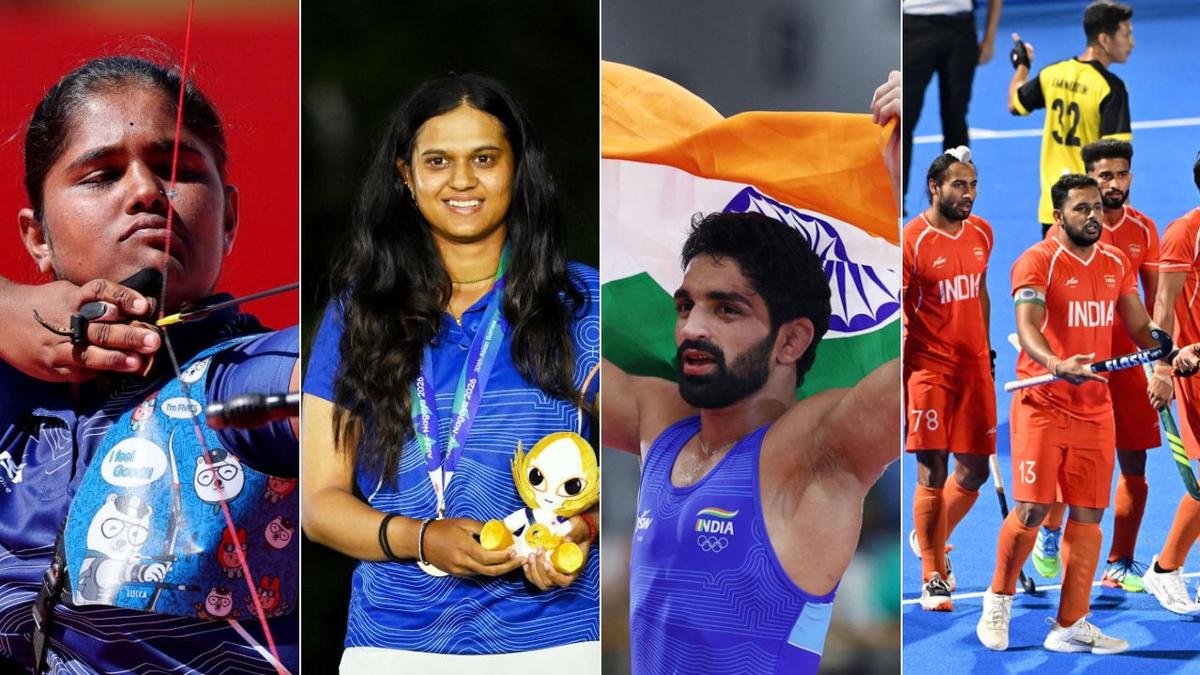
India Achieves Fourth Place at Asian Games 2026 Through Late Success